


 400-780-5898
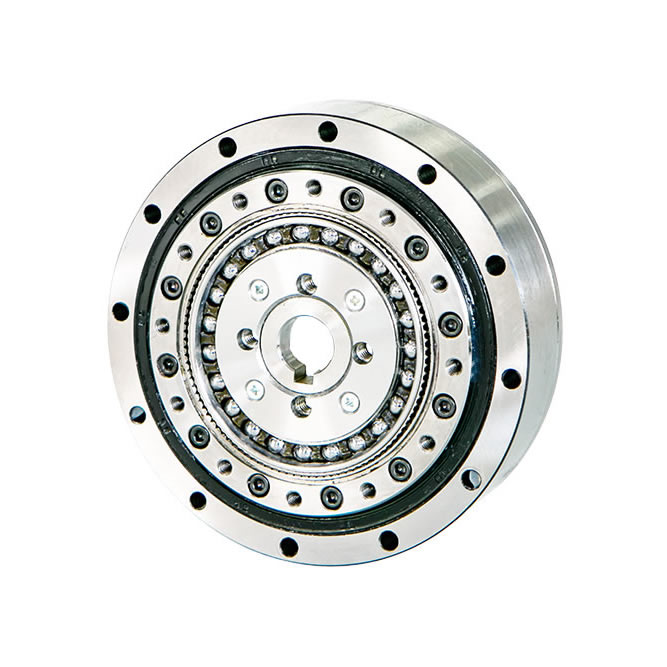
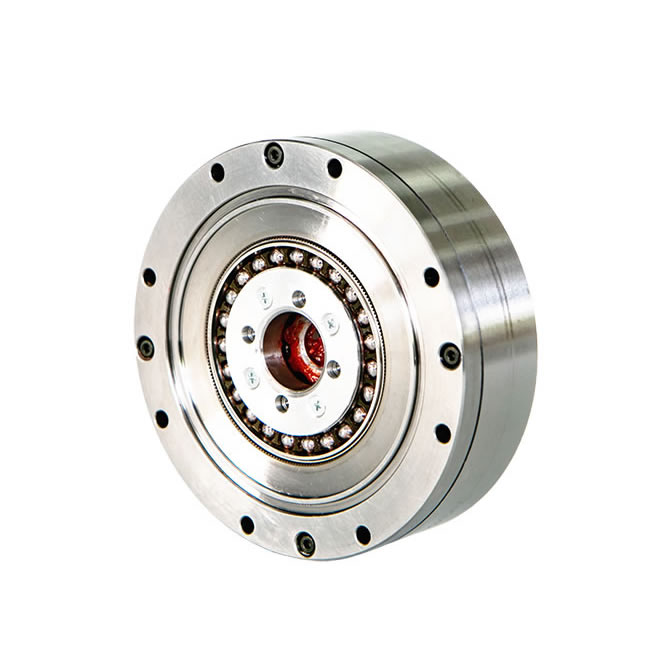
Gearboxes play a core role in power transmission in the food and beverage industry, meeting special requirements such as hygiene and safety, corrosion resistance, and precise control. Their application runs through the entire process from raw material processing to finished product packaging. The following is a systematic overview:
Processing equipment driver
Stirring/Mixing: Drive high viscosity sauce and dairy product mixers, requiring stable high torque output (15-30rpm) to overcome material resistance. Planetary reducers are preferred due to their high rigidity.
Cutting/Crushing: Control the blade speed to achieve precise slicing, such as meat cutting machines that require low back clearance (≤ 3 arc minutes) to avoid material waste.
Heating/Cooling: Can withstand temperature differences of -30 ℃ to 120 ℃ in baking and freezing lines, requiring the use of H1 food grade lubricating oil and stainless steel accessories.
Filling and packaging
Liquid filling: The servo reducer is combined with an encoder to achieve precise control with minimal upgrades, such as synchronizing the start and stop of beverage filling valves.
Sealing and labeling: In frequent start stop scenarios, the worm gear reducer prevents displacement through its self-locking feature.
Material conveying system
Conveyor belt/elevator: Adjust the conveying speed to match the production line rhythm, and anti slip design is required when inclined conveying.
Sorting machinery: photoelectric sensors linked with reducers to achieve classification, such as multi-stage speed regulation of fruit sorting machines
二、 Key technical requirements
Health and safety design
Material: The shell is made of 316L stainless steel or FDA certified coating, with a surface roughness Ra ≤ 0.8 μ m to prevent bacterial retention.
Sealing: IP69K protection level to resist high-pressure flushing, food grade nitrile rubber oil seal to prevent lubricant contamination.
Environmental adaptability
Corrosion resistance: The powder baking spray coating process is resistant to acidic and alkaline cleaning agents (pH 2-12), such as the acidic environment of CIP cleaning systems.
Temperature tolerance: VG 150 low viscosity lubricating oil is required for low-temperature scenarios (freezer), and heat dissipation fins are configured for high-temperature scenarios (baking line).
Performance parameters
Torque and accuracy: The mixer requires an overload capacity with a safety factor of ≥ 1.5, and the filling machine requires a repeat positioning accuracy of ± 0.1mm.
Energy efficiency optimization: Variable frequency control reducer can save up to 30% energy, such as reducing impact through soft start of conveyor lines




 沪公网安备 31011202009509号