


 400-780-5898
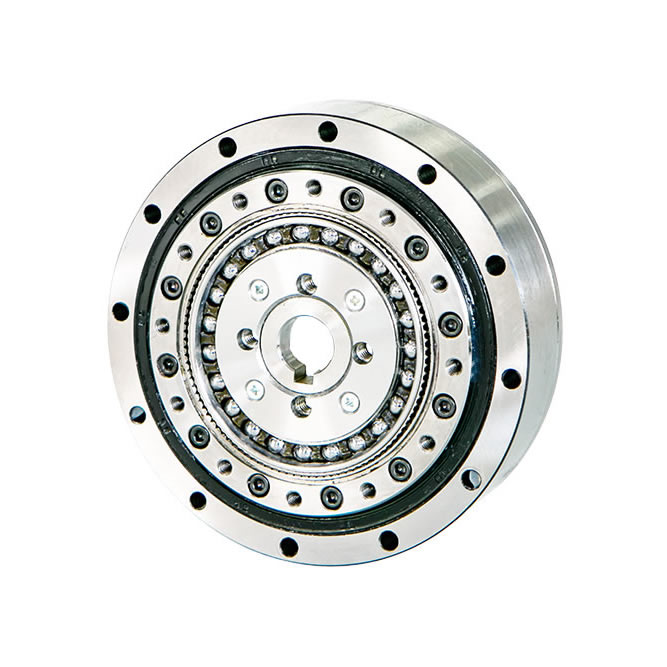
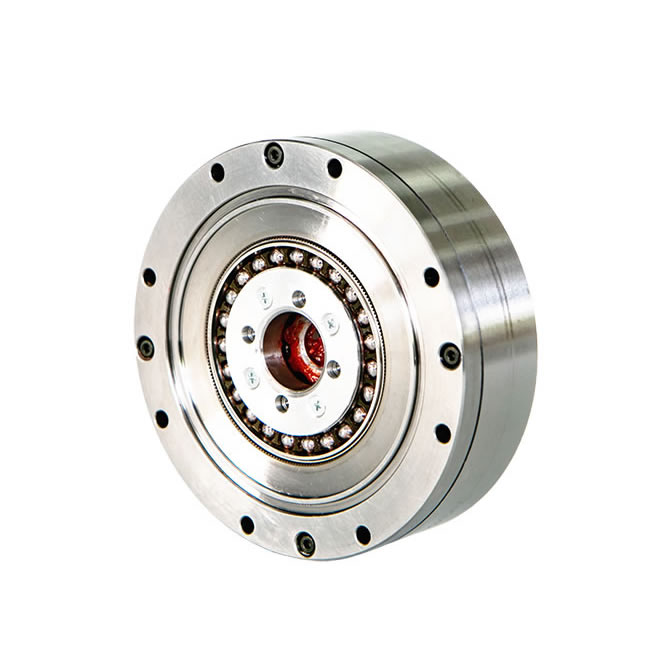
Gearboxes are mainly used in the medical and health industry for surgical robots, imaging equipment, rehabilitation devices, and other scenarios. Their core value lies in providing precise and stable power transmission and control capabilities. The following is an overview of industry applications:
Surgical robot
The planetary gearbox is the joint drive core of surgical robots, which achieves sub millimeter positioning of minimally invasive surgical instruments through high-precision torque output (within ± 1 arc minute), reducing the risk of intraoperative tremors by 613. Typical applications include the multi degree of freedom robotic arm of the da Vinci surgical system.
Medical imaging equipment
The rotating frame in CT/MRI equipment relies on precision reducers to control the scanning angle, requiring a transmission error of ≤ 0.01 ° to eliminate imaging artifacts; The ultrasonic probe driving device needs to be designed with low noise (<45dB) to avoid interference with diagnosis.
Rehabilitation therapy equipment
Exoskeleton robots use planetary gear reducers (such as the ZJU52 series) to simulate human joint motion curves by dynamically adjusting output torque (range 5-200N · m), supporting gait training and muscle strength reconstruction.
In vitro diagnostic equipment
Blood analyzers, PCR machines, and other instruments rely on micro reduction motors to achieve high-precision dispensing of trace reagents (with an error of ± 0.1 μ L), and the worm gear structure ensures the stability of the pipetting process due to its self-locking characteristics.
Accuracy and reliability
Surgical robot joints must meet IP67 protection level and a maintenance free lifespan of 10000 hours; The reduction ratio range is 30-100:1, and the backlash is controlled at ≤ 1 arc minute to ensure a repeat positioning accuracy of ± 0.1mm.
Special environmental adaptability
The material needs to pass ISO 10993 biocompatibility certification, such as stainless steel gearbox with fluororubber seal, resistant to ethylene oxide sterilization and corrosive disinfectant 212. Some implantable devices require non-magnetic materials (such as titanium alloy gears).
Integrated design
Modern medical equipment tends to use mechatronics integrated modules, such as FAF77 gearbox directly connected to variable frequency motor, which saves equipment space through flexible wiring at 180 ° and has a power density of 0.5kW/kg
Miniaturization development
The driving module of endoscopic surgical instruments has adopted a planetary gearbox with an outer diameter of ≤ 22mm, which maintains transmission accuracy under axial load ≤ 0.5kgf conditions.
Intelligent upgrade
The new reducer integrates Hall sensors for real-time feedback of torque/speed, combined with AI algorithms to achieve force tactile feedback control of surgical robots.
Complete standard system
The industry is accelerating the implementation of ISO 13485 medical quality management system, and adding special certification standards such as anticoagulant coating and sterile packaging for reducers.
Medical reducers are making breakthroughs in cutting-edge fields such as nanoscale positioning (such as cell manipulation robots) and bioelectric signal driving, and their technological evolution will directly promote the innovation process of precision medical equipment




 沪公网安备 31011202009509号