


 400-780-5898
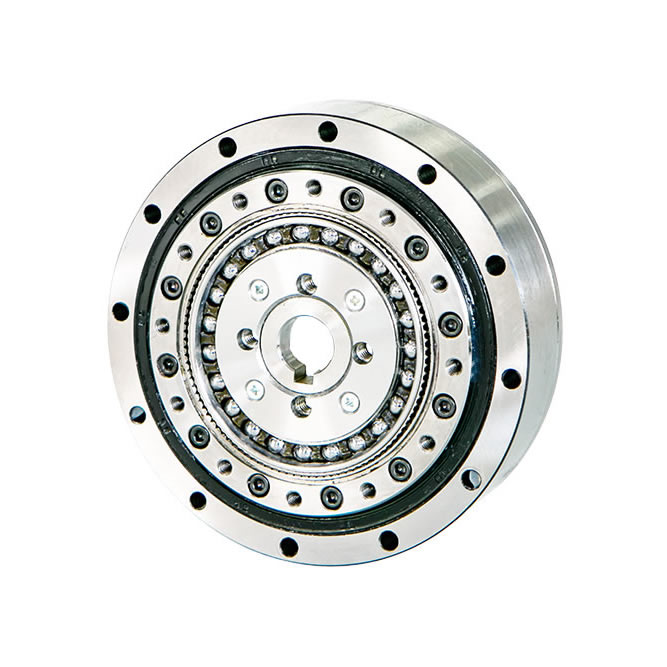
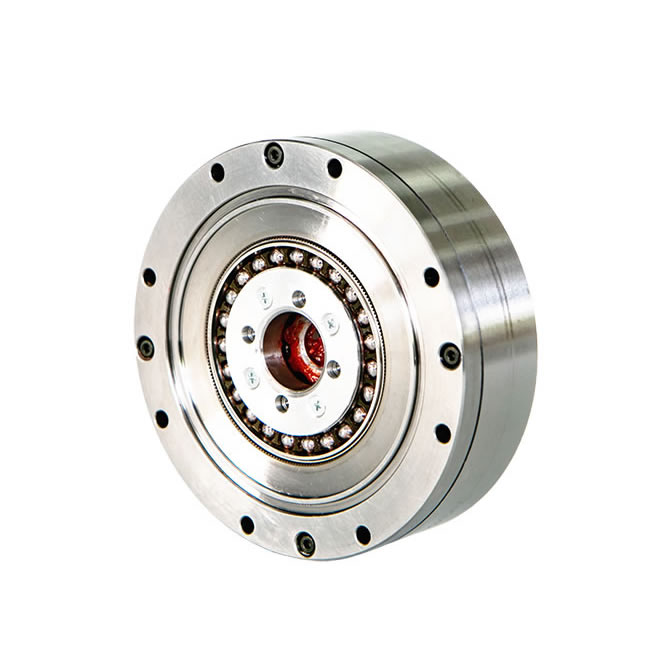
The following is an overview of the application of reducers in the energy industry, taking into account policy guidance, technical requirements, and market development trends:
Wind power field
Core function: As a key transmission component of wind turbines, responsible for converting blade speed into the required speed of the generator.
Technological trend: The large-scale development of wind turbines (with offshore wind turbine power exceeding 8MW) requires reducers to have higher torque density and fatigue resistance, and to adapt to alternating loads (fluctuating up to 2-3 times the rated load) and extreme environments (such as offshore salt spray corrosion).
Market growth: By 2025, the market size of wind power reducers in China is expected to reach 1.889 billion yuan, with a production capacity of approximately 230000 units.
Photovoltaic field
Precision control requirements: The photovoltaic tracking system relies on a reducer to achieve precise angle adjustment (error ≤ 0.5 °), improving power generation efficiency; Glass cutting/edging equipment requires micrometer level precision transmission.
Environmental adaptability: It needs to withstand outdoor high temperatures (component surface temperature exceeding 70 ℃) and ultraviolet radiation, and the material needs to be resistant to aging (such as PA6+30% GF engineering plastic).
Energy storage and power grid
Compressed air energy storage: The design of underground gas storage facilities requires a high-pressure deceleration system to support energy conversion efficiency.
Power frequency regulation: Distributed phase-shifting cameras rely on reducers to achieve stable speed control and ensure the safety of the power grid when connected to the grid.
Hydroelectric field
Used for speed regulation of water turbine units, it needs to adapt to high humidity environments to ensure long-term stable operation.
Policy support
The goal of carbon neutrality is driving the continuous growth of wind and photovoltaic installed capacity, and the global wind power installed capacity is expected to reach 3081GW by 2035 (with an average annual compound growth rate of 10%).
Made in China 2025 lists gearboxes as key basic components, with special funds and tax incentives to accelerate domestic substitution.
Technical upgrade direction
High precision and reliability: Wind power reducers require 20 years of maintenance free operation (with a single maintenance cost of over 100000 yuan at sea), and gear meshing parameters (overlap>2.5) and lubrication systems need to be optimized.
Intelligent integration: Leading enterprises have launched an integrated module of "motor+reducer+driver", reducing system costs by 20%.
Domestic substitution acceleration: The localization rate of precision reducers has increased from less than 20% to over 35%, and the production capacity of RV reducers will expand to 300000 units by 2025.
Technical bottleneck: The localization rate of high-end fields (such as high-precision harmonic reducers) is still less than 30%, and core processes (such as gear shaping and cutting tools) need to be broken through.
The industry implements the "Gearbox Industry Standard Specification" and the Energy Bureau's "Design Specification for Compressed Air Energy Storage Power Stations", emphasizing the requirements for material corrosion resistance, lubrication system compatibility, and environmental adaptability.
Future trend: With the increasing installed capacity of new energy (wind power and photovoltaic growth rate exceeding 20% by 2025), gearboxes will deeply evolve towards "lightweight, high torque density, and long life", while emerging fields such as green hydrogen may become incremental markets.




 沪公网安备 31011202009509号